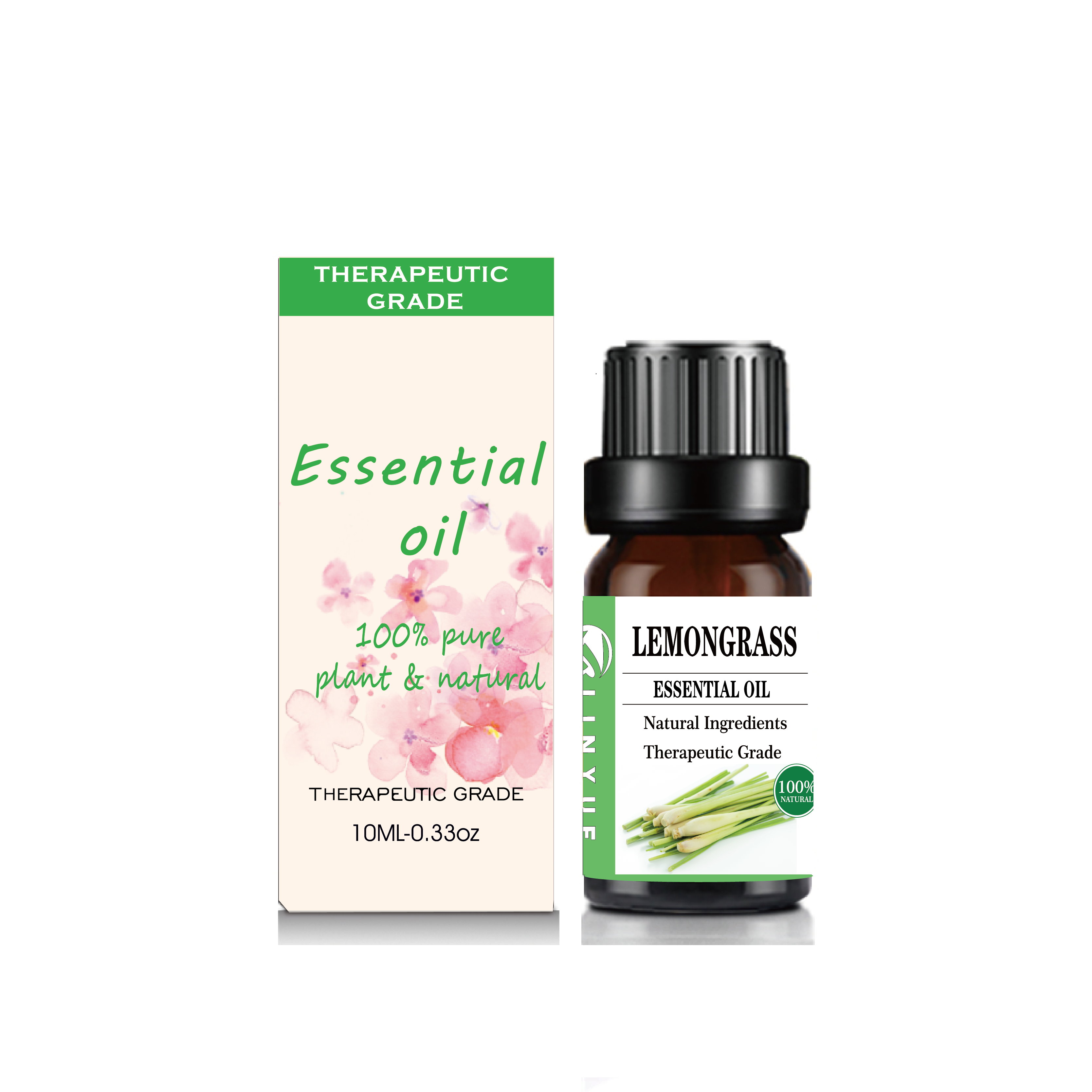
10ml Rose Essential Oil
- Aroma:
- Floral and Sweet: Rose essential oil is characterized by its rich, floral, and sweet aroma. The scent is often described as luxurious, romantic, and uplifting.
- Chemical Composition:
- Geraniol and Citronellol: The main components of rose oil include geraniol and citronellol, which contribute to its fragrance and therapeutic properties.
- Phenylethyl Alcohol: This compound adds to the sweet and rosy scent of the oil.
- Color:
- Pale Yellow to Deep Amber: The color of rose essential oil can vary from a pale yellow to a deeper amber hue, depending on factors such as the rose species and the extraction method used.
- Consistency:
- Medium Viscosity: Rose oil has a medium viscosity, making it easy to work with. It is not as thick as some other essential oils but is not as thin as citrus oils.
- Extraction Method:
- Steam Distillation or Solvent Extraction: Rose essential oil is commonly extracted through steam distillation, though solvent extraction (using solvents like hexane) is also employed. Steam distillation is considered a more traditional and preferred method for obtaining high-quality rose oil.
- Yield and Rarity:
- Low Yield: It takes a large quantity of rose petals to produce a small amount of essential oil, contributing to its high cost. The low yield is one reason why pure rose essential oil is considered rare and precious.
- Volatility:
- Moderate Evaporation Rate: Rose essential oil has a moderate evaporation rate, allowing it to release its fragrance gradually over time. This characteristic makes it suitable for use in perfumes and aromatherapy.
- Blending Note:
- Middle to Top Note: In perfumery, rose essential oil is often classified as a middle to top note. This means it adds a sense of depth to a fragrance and is among the first scents to be perceived.
- Therapeutic Properties:
- Antidepressant: Rose oil is believed to have antidepressant properties, promoting emotional well-being and relaxation.
- Anti-Inflammatory: The oil may exhibit anti-inflammatory effects, making it beneficial for soothing skin irritations.
- Stability:
- Sensitive to Light and Heat: Like many essential oils, rose oil is sensitive to light and heat. Proper storage in a cool, dark place helps maintain its quality and fragrance over time.
- Solubility:
- Not Water-Soluble: Rose essential oil is not fully soluble in water but can be mixed with carrier oils, alcohols, or other essential oils for various applications.
Uses of Rose Essential Oil
- Aromatherapy and Emotional Well-Being:
- Calming and Relaxing: The rich and floral aroma of rose essential oil is widely used in aromatherapy to promote relaxation, reduce stress, and alleviate anxiety. Inhaling the scent can have a positive impact on emotional well-being.
- Skincare and Beauty:
- Anti-Aging: Rose oil is renowned for its skin-nourishing properties and is often used in skincare products. It may help reduce the appearance of wrinkles and promote a more youthful complexion.
- Moisturizing: The oil is known to be hydrating and can be added to moisturizers or carrier oils for its emollient effects.
- Anti-Inflammatory: Rose oil may have anti-inflammatory properties, making it beneficial for soothing irritated skin and conditions such as rosacea.
- Aphrodisiac:
- Romantic and Aphrodisiac: Rose has long been associated with romance and is considered an aphrodisiac. The scent is often used to create a romantic atmosphere and enhance intimacy.
- Menstrual Support:
- Menstrual Pain Relief: Some women find relief from menstrual cramps by using rose essential oil. It can be diluted and applied topically or added to a warm bath.
- Antidepressant Properties:
- Mood Enhancer: The aroma of rose oil is believed to have antidepressant properties, uplifting the mood and promoting a sense of well-being.
- Wound Healing:
- Antiseptic: Rose oil has antiseptic properties that can aid in wound healing. It may be applied topically to minor cuts, burns, or insect bites.
- Natural Perfumery:
- Fragrance Component: Rose essential oil is a prized ingredient in perfumery, contributing its unique and captivating scent to a wide range of perfumes and fragrances.
Cautions and Tips for Use
- Dilution: Rose oil is highly concentrated and should be diluted before applying to the skin. It is often mixed with a carrier oil such as jojoba or sweet almond oil.
- Patch Test: Perform a patch test before using rose oil on larger areas of the skin to check for any allergic reactions or sensitivities.
- Pregnancy: Pregnant women should consult with a healthcare professional before using rose oil, especially during the first trimester.
- Storage: Store rose essential oil in a cool, dark place to protect its delicate aroma and extend its shelf life.
Box size:3*3*7cm
one box with 10ml glass bottle
weight:50g
Cusotomize box:1000boxes
Linyue welcome to waiting your message!!
You also can follow us FACEBOOK or TWITTER
Our Alibaba Account website(we accept alibaba insurance payment ) :
https://cn1565003121qnou.en.alibaba.com/